Osmanli
Why visit Konya
Konya, in the heart of Anatolia, was the capital of the Seljuk Sultanate and is the city of Rumi, known in Türkiye as Mevlana. Visitors come for the Mevlana Museum, the whirling dervishes ceremony, fine Seljuk architecture and nearby Çatalhöyük, one of the oldest settlements in the world. It is a cultural destination rather than a beach stop, and it suits travellers interested in history, spirituality and a slower, more traditional side of Türkiye.
How to get there
Konya has its own airport and is also connected by high-speed train from Ankara and Istanbul, which is a comfortable way to arrive. Many travellers combine it with Cappadocia, which is a few hours away by road, making a good route across central Anatolia.
When to go
Spring and autumn are the most comfortable seasons. Summers can be hot and dry, and winters are cold, though the city is still worth visiting. The main commemoration of Rumi, Şeb-i Arus, takes place every year from 7 to 17 December, when the city fills with visitors, so book accommodation and seats early if you plan to come then.
Mevlana Museum and the Seljuk city
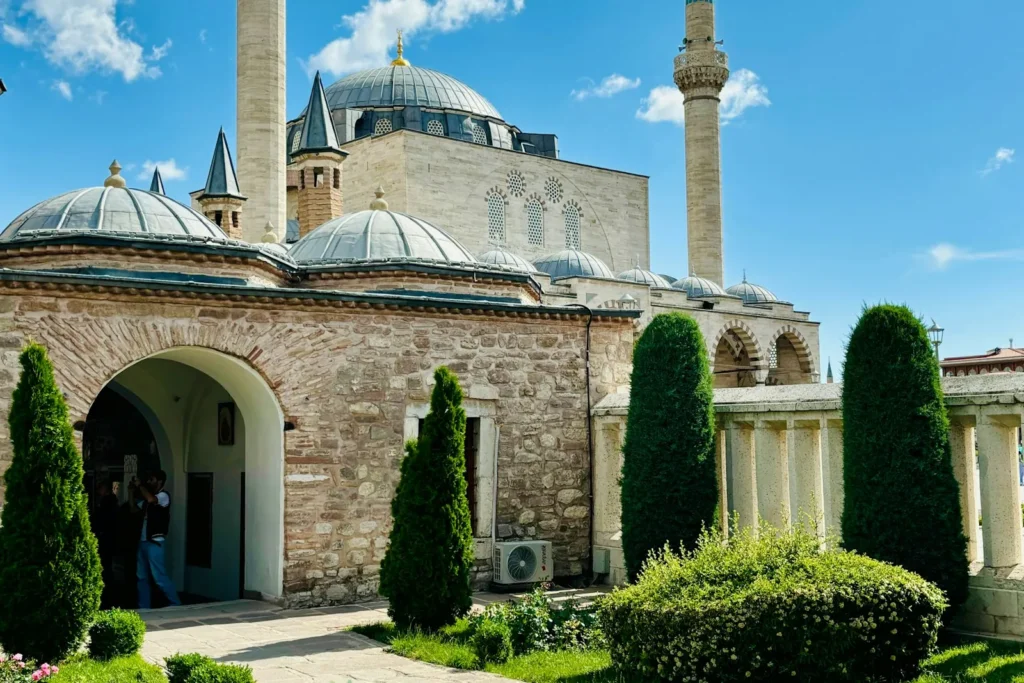
Start with the Mevlana Museum Konya city tour, which lasts about four to six hours. It begins at the museum, where Rumi’s tomb lies under a turquoise dome, and continues through the bazaar streets to Karatay Medrese, now a museum of Seljuk tiles, Alaeddin Hill and its 13th-century mosque, and the carved stone portal of the İnce Minareli Medrese. The museum is a place of deep respect for many visitors, so dress modestly and keep your voice low. Konya is a conservative city, and alcohol is served in few places. Try etli ekmek, the long, thin local flatbread with meat, for lunch.
The Sema ceremony
The whirling dervishes Sema ceremony in Konya lasts about one to two hours. Dressed in white robes and tall felt hats, the dervishes turn to the sound of the reed flute in a ritual that UNESCO lists as intangible cultural heritage. It is usually held at the Mevlana Cultural Centre. Regular ceremonies in Konya are usually held on Saturday evenings, so check the date before fixing your stay. This is a religious ceremony, not a show: stay silent, do not use flash and applaud only if the audience is invited to.
Sille and Çatalhöyük
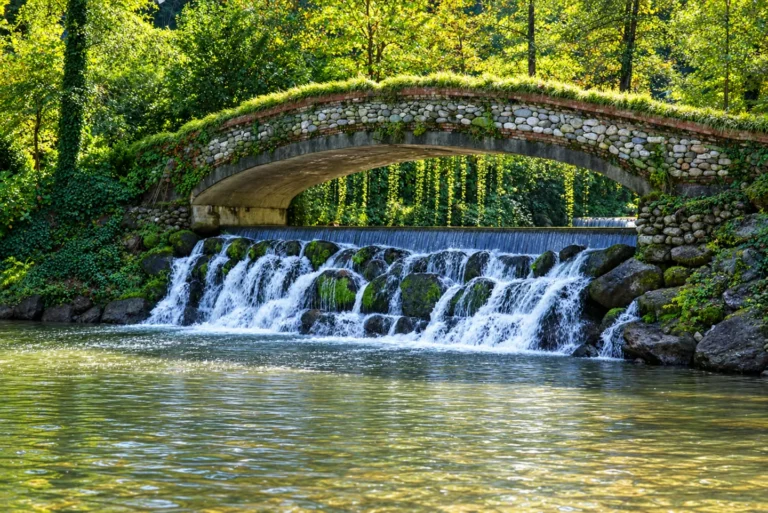
The Sille village and Çatalhöyük tour takes about six to eight hours. Sille is an old village in a valley about eight kilometres from the centre, with stone houses, an old bridge, rock-cut chapels and the restored Aya Elenia Church. Çatalhöyük is a Neolithic settlement about 9,000 years old and a UNESCO World Heritage site, around 45 kilometres away, with reconstructed houses and a visitor centre. It is an open site with little shade, so bring water and a hat in summer.
How many days to stay
- 1 day: the Mevlana Museum and the Seljuk sights.
- 2 days: add the Sema ceremony (ideally on a Saturday) or the Sille and Çatalhöyük day.
- 3 days: do all three, with time for the bazaar and a slow dinner.
Practical tips
- If you want to see the Sema, plan your arrival around a Saturday.
- Carry a light scarf or shawl for visiting religious sites.
- Some operators sell Sille and Çatalhöyük as separate half-day tours.
These activities are run by licensed local operators and are booked online through our partner site Ontripo, directly from each activity page. Check the date, what is included and the cancellation terms before you confirm.