Osmanli

History of the city of Istanbul Istanbul is one of the most important tourist areas in the world, and it is a tourist destination for many tourists all over the world, due to its geographical and historical importance, in addition to enjoying many monuments dating back to prehistoric times, the ages of the Greeks, Byzantium, and the Islamic conquest. We will learn about the history of Istanbul in this article
Brief history of the city of Istanbul
Istanbul’s historic peninsula is on the European side, between the Golden Horn, the Sea of Marmara and the Bosphorus. Its landmarks preserve Roman, Byzantine and Ottoman heritage, while the modern city extends across both sides of the strait.
Discover Istanbul with Osmanli Travel
Byzantium is the old name of Istanbul
Going back in time, the ancient Greek state is one of the first owners of the ancient city (present-day Istanbul). Byzantium was one of the many colonies established from the end of the eighth and seventh centuries BC along the coasts of the Bosporus and the Black Sea by Greek settlers. The ancient city fell to the Persian king Darius I in 512 BC. Then the Athenian fleet captured the city in 478 BC. Byzantium later became an important member of the Delian alliance as the Greek cities allied themselves under the leadership of Athens. In succession of years, the Roman Empire took over Byzantium after the fall of the Greek Empire.
Constantinople
In the fourth century AD, Emperor Constantine the Great made Byzantium the capital of the Roman Empire, and it was restored and renamed New Rome. But over time its name changed to Constantinople, which became an important political and cultural centre at this time. Then the Roman Empire was divided into the Western Roman Empire, and the Eastern Roman Empire, which later became the Byzantine Empire and its capital was Constantinople. Many churches were built during that period, the most famous of which is the Hagia Sophia, which was later converted into a mosque.
The Islamic conquest of Istanbul

Then came the Islamic conquest of the city of Constantinople at the hands of the Ottoman Sultan Muhammad al-Fatih in 1453 AD, and Hagia Sophia and other Byzantine churches were converted into mosques. Istanbul continued its role as the capital of the Ottoman Empire, following the conquest in 1453. Turkey and Istanbul, especially during that time, witnessed a development and prosperity in Turkish architecture and construction, where fountains, mosques and palaces such as Topkapi Palace were built until the city’s appearance was completely changed.
Learn about the Istanbul tourist trip programs
Istanbul on two continents
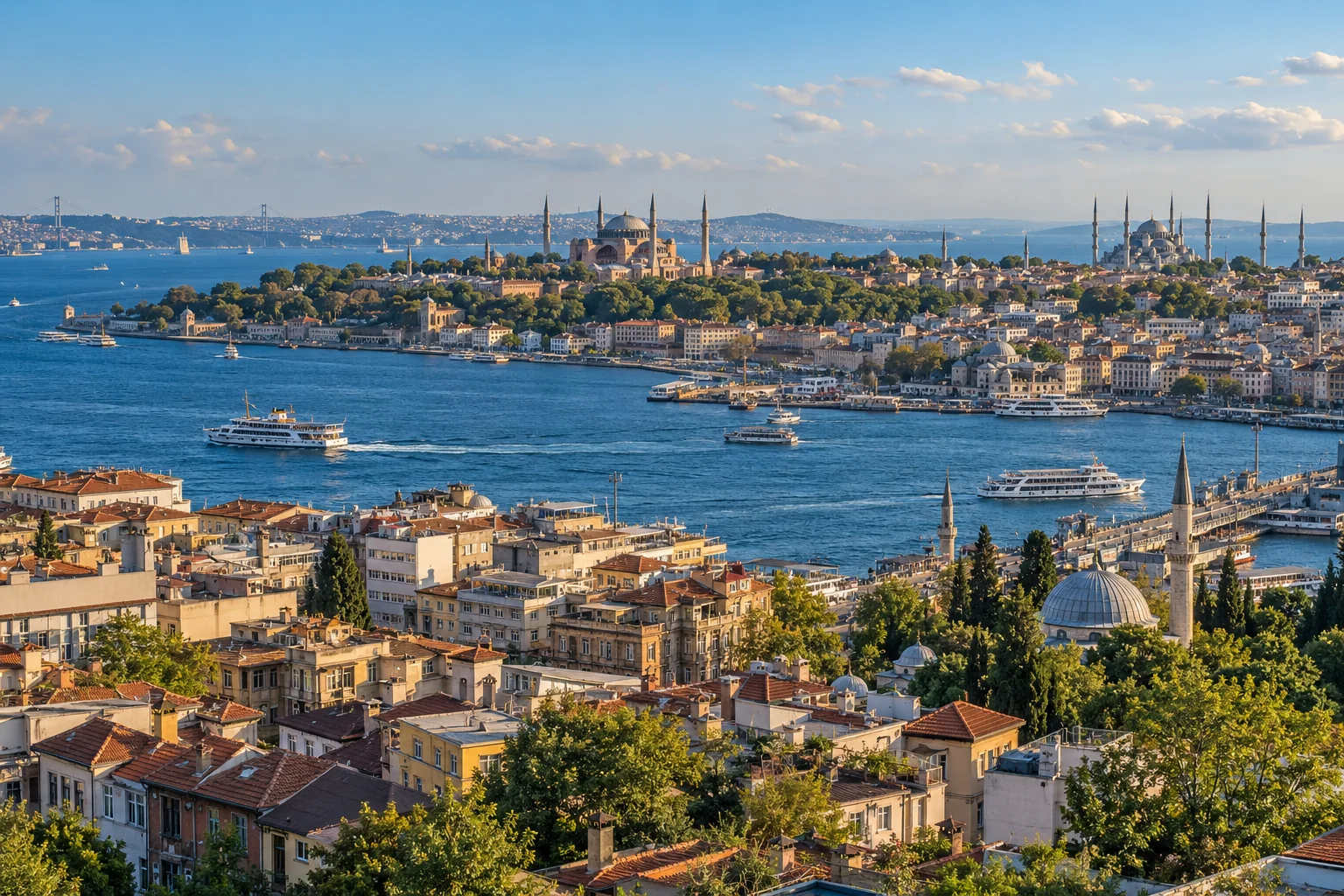
Istanbul extends across Europe and Asia, with the Bosphorus separating its two sides. The historic peninsula is on the European side. Plan visits by neighbourhood rather than trying to cross the city repeatedly in one day.
The most important monuments in Istanbul
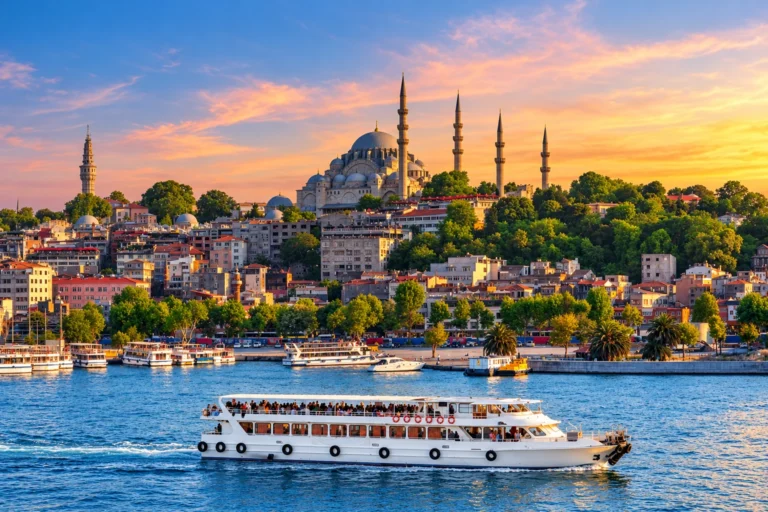
Istanbul’s historic landmarks include Süleymaniye Mosque, Topkapı Palace, Galata Tower and Hagia Sophia Mosque. The current Galata Tower dates to the Genoese period in 1348. Each attraction has its own visiting arrangements; confirm current access and ticket rules before your visit.
Finally, you can contact Osmanli Travel to learn about Istanbul’s tourist excursions
Istanbul’s UNESCO-listed historic areas
Istanbul’s historic areas entered the World Heritage List in 1985. The property covers four areas: Sultanahmet, Süleymaniye, Zeyrek and the city walls. Read the official UNESCO description to understand their significance. The listing does not cover every neighbourhood in Istanbul.
Group nearby landmarks into one day and allow time for queues and breaks. Consider an Istanbul private tour for a flexible route, and confirm admission tickets and guide services separately before booking.